 Putri Anggraini
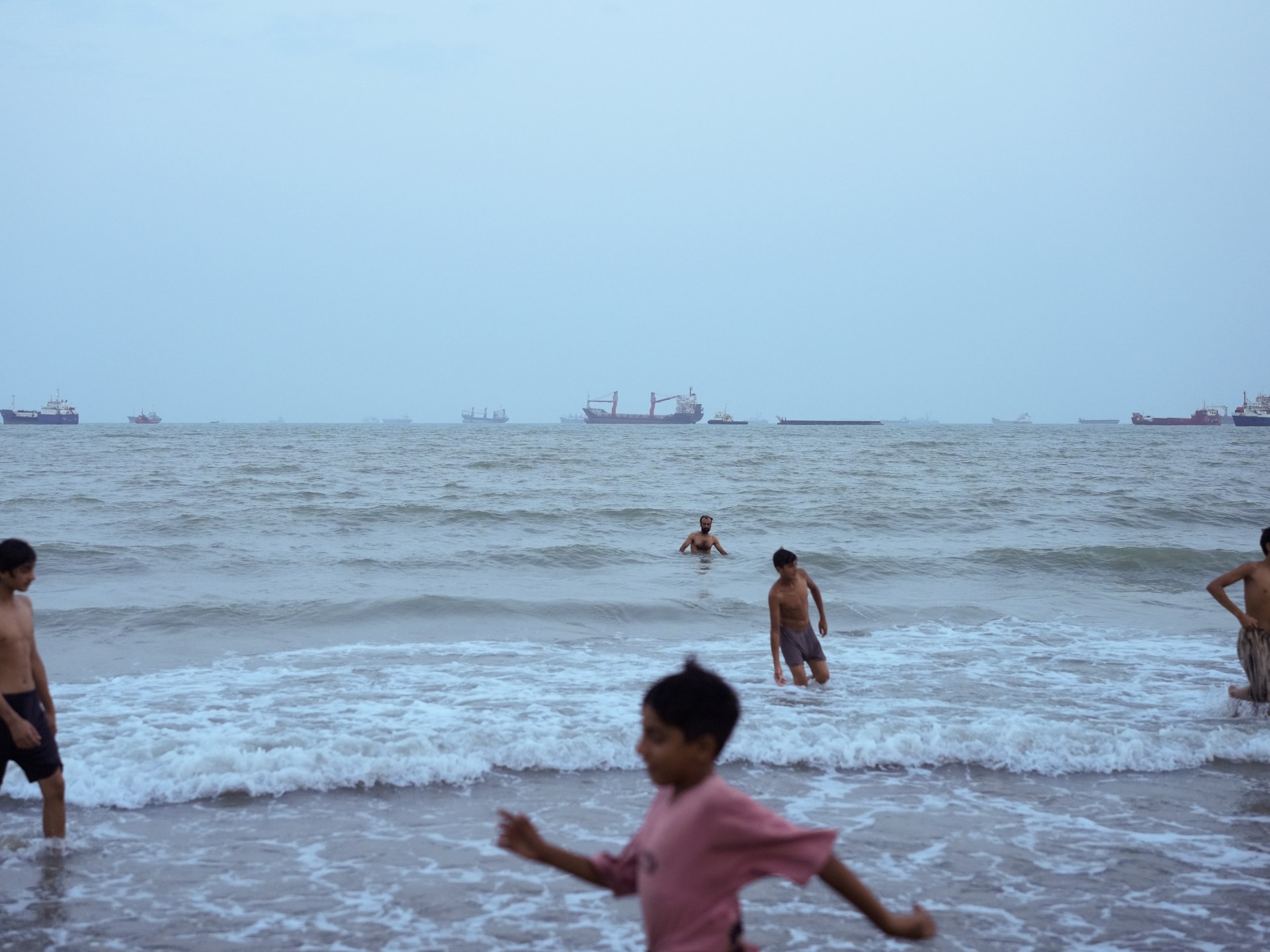
Iran and Oman have reached an agreement to establish a temporary shipping corridor through the Strait of Hormuz, Iranian Deputy Foreign Minister Kazem Gharibabadi announced on Tuesday, offering the first concrete step toward easing a maritime standoff that has choked off one of the world's most vital energy arteries for months.
Despite the breakthrough, Gharibabadi made clear that the strategic waterway will not return to normal operations until Washington honours its obligations under an interim peace accord signed in June — a deal that has since expired. He insisted that what has been settled is merely a route, not a reopening.
The agreement comes against the backdrop of the war launched by the United States and Israel against Iran, which opened with attacks on Tehran on February 28 and has kept the strait largely impassable ever since, plunging global energy markets into turmoil. Under normal conditions, roughly a fifth of the world's oil and liquefied natural gas exports from Gulf producers move through the narrow passage, with about 130 vessels making the crossing each day. Brent crude, the international oil benchmark, traded at around $66 a barrel just before hostilities erupted.
Iran shut the waterway in early March, days after the strikes on its capital — which landed while American and Iranian negotiators were still meeting in Oman. Only a handful of vessels Tehran considered friendly were permitted through. In April, the Islamic Revolutionary Guard Corps published a navigational map directing approved traffic much nearer the Iranian shoreline than usual, while declaring a broad swath of Omani territorial waters off-limits. Washington has alleged that Iran seeded the area with naval mines; Tehran never confirmed the claim but advised captains that staying on its designated course reduced their exposure to danger. The United States later responded with a naval blockade aimed at strangling Iran's fuel exports.
The disruption triggered severe energy shortfalls worldwide, hitting Asian economies dependent on Gulf cargoes especially hard. Oil prices climbed repeatedly above $100 a barrel during the conflict — most recently on July 23 — and peaked at nearly $120 in March.
A memorandum of understanding signed by Tehran and Washington on June 17 produced a ceasefire of up to two months, under which Iran committed to keeping the strait open and toll-free for all traffic. But ambiguous language in the document left the question of navigation unresolved, splitting the waterway into two competing passages: a southern lane endorsed by Muscat and shielded by the US Navy, which commercial shippers have used, and a northern alternative sanctioned by Iran. Broader peace negotiations subsequently collapsed, and transit remains perilous. On Tuesday alone, UK Maritime Trade Operations reported that an oil tanker was struck and disabled by an unidentified projectile near Oman's Ash Shishah, close to the strait's mouth.
Under the newly announced arrangement, Gharibabadi said the corridor's entrance would lie within Iranian territorial waters, with part of the exit likewise passing through them. The passage will measure seven miles, or about 11.3 kilometres, across.
A spokesperson for the Revolutionary Guard said separately that negotiations with Oman had begun roughly a month earlier and produced terms both governments accepted, covering each nation's share of the strait's waters as well as their respective cuts of any revenue generated.
Numerous practical questions remain open, however. Officials have yet to publish exact coordinates, say when vessels might safely begin using the corridor, or explain how proceeds would be collected. It is also unclear whether particular ship types or flags of registry will be excluded.
Gharibabadi underscored that Iran does not regard the strait as open despite Tuesday's announcement, describing the corridor as provisional. Army spokesman Mohammad Akraminia added that ships using it will remain under Iranian monitoring.
Direct dialogue between Tehran and Washington has been frozen since American forces bombed parts of Iran in July amid renewed disputes over navigation. While active fighting has subsided — replaced by a campaign of economic pressure — Iran maintains it will discuss the future of the waterway exclusively through Oman, the country with which it shares the strait's territorial waters.
--- END ---


Comments (0)