 Hendra Wijaya
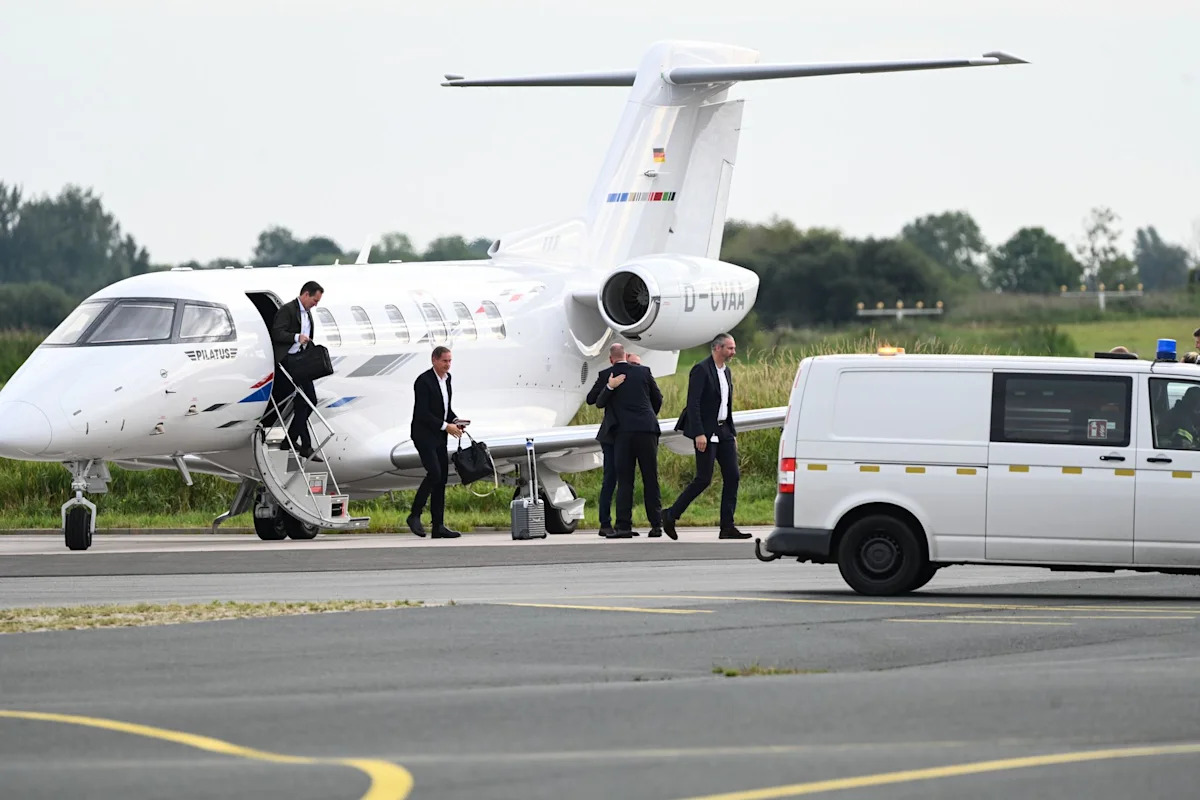
Volkswagen chief executive Oliver Blume travelled to Dresden to tour the carmaker's celebrated Transparent Factory, one of the German sites viewed as most at risk as Europe's largest automaker confronts the prospect of closing home-market plants for the first time in its history. Blume used the visit to deliver a blunt warning about costs, describing the situation confronting the group as exceptionally serious.
The trip came shortly after VW management took the extraordinary step of scrapping a long-standing job security agreement that had shielded tens of thousands of German workers. At the same time, executives publicly acknowledged that plant closures in Germany could no longer be ruled out — a striking shift in tone for a company so deeply woven into the country's postwar industrial identity.
The Transparent Factory, a glass-walled architectural landmark in the heart of Dresden, opened more than two decades ago as the assembly site for VW's ill-fated Phaeton luxury sedan before pivoting to electric vehicles. It currently handles final assembly of the ID.3 compact electric car and employs several hundred workers, making its future a matter of acute local anxiety.
Attention has focused increasingly on Dresden and the smaller Osnabrueck plant in northwest Germany as the locations considered most exposed in any restructuring. Management argues that the group carries significant overcapacity in Germany at a time when order books have thinned, leaving some facilities running well below the levels needed to operate efficiently.
Behind the warning signs lies a sharp deterioration in demand across Europe, where consumers have grown cautious amid high interest rates and economic uncertainty. Sales of electric vehicles, the segment VW had bet on heavily, have disappointed following the withdrawal of generous purchase subsidies in key markets, forcing the brand into costly discounting to move inventory.
At the same time, VW faces a widening cost gap against competitors. Labor expenses and energy prices in Germany remain far above those of rivals producing elsewhere, while manufacturers from China, backed by aggressive pricing and rapid technological progress, are pressing into European markets with growing force.
Profitability at the core VW passenger car brand has been squeezed accordingly, with operating margins languishing near lows the company considers unsustainable. Blume and his leadership team insist that a far-reaching efficiency program already underway is not enough on its own, and that every German site must ultimately demonstrate it can compete on global terms.
Labor representatives reacted furiously to the prospect of closures. IG Metall, the powerful union that represents VW employees, and works council leaders have vowed fierce resistance, accusing the board of gambleing away the company's foundations and threatening industrial action if compulsory redundancies or shutdowns are pursued. Thousands of workers have already gathered at rallies to signal their readiness to fight.
The standoff has drawn political scrutiny as well. Saxony, whose capital is Dresden and where VW employs many thousands of people, has urged the company to exhaust every alternative before considering closures, while federal officials in Berlin have watched nervously as Germany's flagship auto giant flirts with a step once thought unthinkable.
Negotiations between management and labor are expected to begin in earnest in the coming weeks, with both sides digging in over how to reconcile competitiveness with job protection. The outcome will resonate far beyond Wolfsburg: how VW resolves the crisis is widely seen as a test case for whether Germany's industrial heartland can adapt to a harsher economic climate without sacrificing the pillars of its manufacturing strength.
--- END ---


Comments (0)